
Performance marketing Australia

Performance marketing agency for Australian businesses.

Running more than one paid channel into the same Australian market creates a coordination problem rather than a creative one. Search, Meta and LinkedIn each claim credit for the same buyer, budgets drift toward whichever platform reports most generously, and nobody can say which channel actually created the pipeline. WIF operates the whole program as one system with a fixed reporting rhythm, defined budget rules and a consent and measurement setup that holds up under Australian privacy obligations.

Program management

The hard part of multi-channel is deciding what each channel is responsible for.

Channels do not fail independently. A weak Meta audience inflates the cost of branded search; a LinkedIn campaign generating awareness gets judged on last-click conversions it was never going to produce. The work is defining each channel's job, allocating budget against that job, and reporting in a way that survives the attribution argument.

Channel roles

Search captures demand; social has to create or qualify it.

For Australian buyers, paid search is the channel that intercepts an intention that already exists, which makes it the natural first channel and the one judged most directly on cost per qualified enquiry. Meta works where the category is visual, the purchase is consumer or considered, and demand needs to be created rather than caught. LinkedIn earns its place when the buying decision involves a defined job title and the deal size can absorb a materially higher cost per lead. Each gets a stated job before it gets a budget.
Budget allocation

Budget moves on rules agreed in advance, not on the week's best-looking number.

The most damaging habit in multi-channel programs is reallocating budget every week toward whatever reported well in the last seven days. Learning gets reset constantly and no channel accumulates enough data to be assessed fairly. WIF sets a floor for each channel that keeps it readable, a review window matched to the sales cycle, and explicit conditions under which money moves.

Privacy and consent

Australian Privacy Act obligations shape what the measurement setup can collect.

Australian privacy obligations govern how personal information is collected and what a privacy policy must disclose. Practically, that affects whether a consent banner is needed, how Consent Mode is configured, and what happens to conversion measurement when a user declines. Where consent signals are limited, modelled conversions fill part of the gap but are not observed data. WIF makes clear which numbers are measured and which are modelled, and defers to the client's legal adviser on obligations.

Working hours

The AEST and IST gap is a working constraint, not an obstacle.

Australian eastern time runs roughly four and a half hours ahead of Indian Standard Time, and during daylight saving the eastern states shift to AEDT, widening the gap to about five and a half hours. Western Australia does not observe daylight saving, so the spread across the country changes through the year. The practical result is a workable overlap in the Australian afternoon and the Indian morning. Recurring calls are scheduled inside that window and the daylight-saving transitions are diarised so nothing silently moves an hour.

Reporting cadence

Weekly reporting exists to produce decisions, not to display data.

Each week the report covers what was changed and why, what the change appeared to do, what the numbers say across every channel in one place, and what is proposed next. It separates observed conversions from modelled ones, flags where sample sizes are too small to act on, and states clearly when the honest recommendation is to leave something alone for another cycle. A dashboard that nobody makes a decision from is reporting theatre.

Sales feedback

Lead quality has to travel back from the CRM or the program optimises blind.

Platform-side conversion counts describe form submissions, not revenue. Without a return path telling the program which enquiries were qualified, quoted or closed, every channel optimises toward volume. WIF connects source, campaign and landing page to CRM status so budget decisions reference outcomes rather than form fills.

Process

How the Australia engagement starts.

Before any channel is added or removed, the engagement establishes what each existing channel is currently doing, what the measurement can and cannot see, and where the real bottleneck sits between traffic, conversion, tracking and follow-up.

  • Review the offer, website, current channels, target regions and sales process.
  • Define the job each channel is expected to do and the metric it should be judged on.
  • Audit tracking, UTM discipline and consent configuration against Australian privacy obligations.
  • Set budget floors, review windows and the conditions under which spend shifts between channels.
  • Agree the weekly reporting format and a recurring call inside the AEST or AEDT overlap.
  • Connect CRM status back to campaign source so lead quality informs allocation.
  • Produce a 30-day plan tied to qualified leads rather than platform conversions.
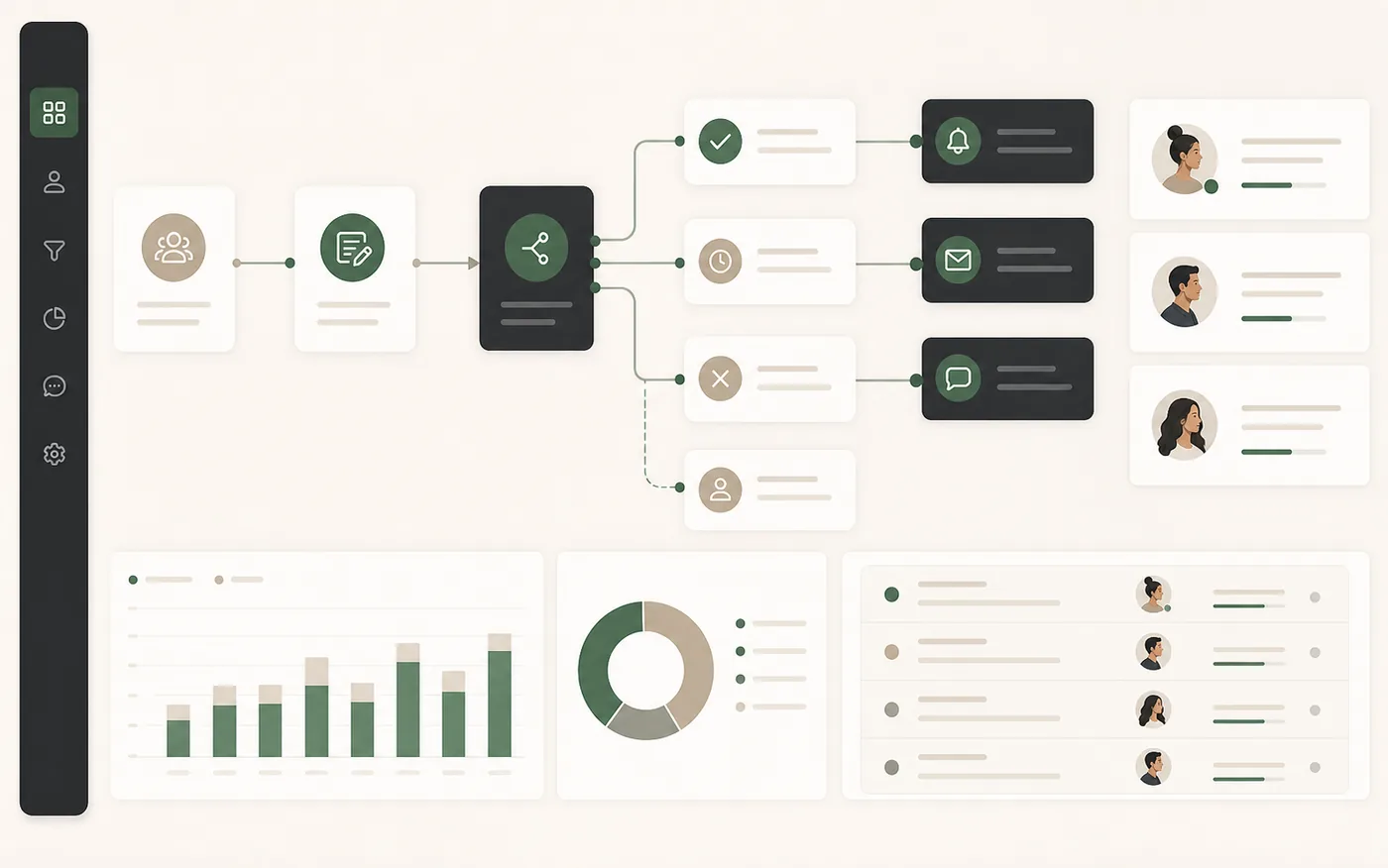
Marketing workflow automation visual Related proof WIF system

Proof and context

WIF's reported portfolio connects acquisition, pages and follow-up.

These case studies are directional evidence of how WIF runs multi-channel programs, not a projection for an Australian one. What carries across markets is the operating discipline: defined channel roles, budget rules set in advance, honest separation of measured and modelled data, and a feedback path from sales back into allocation.

  • Bajaj Chetak: 800+ leads and Rs. 5 Cr+ reported revenue in 90 days.
  • Revolt Motors: Rs. 20L+ reported first-month showroom launch revenue.
  • Evanta International: global B2B lead-generation presence.

FAQ

Questions Australian businesses ask before hiring WIF.

Yes. WIF supports Australia-facing campaigns remotely with clear reporting, planned review cadence, tracking setup and sales-feedback loops.

Australian eastern time runs about four and a half hours ahead of Indian Standard Time, widening to roughly five and a half hours when the eastern states move to AEDT for daylight saving. Western Australia does not shift. That leaves a workable overlap in the Australian afternoon, which is when recurring calls are scheduled.

By the job each channel is given. Search usually leads where demand already exists, Meta suits visual or consumer categories needing demand creation, and LinkedIn fits when the buyer is defined by job title and the deal size justifies a higher cost per lead. Each channel keeps a floor large enough to stay readable.

Australian privacy obligations shape what personal information can be collected and how it must be disclosed, which in turn affects consent configuration and how much conversion data is observable. Where consent is declined, modelled conversions cover part of the gap. WIF distinguishes measured from modelled figures in reporting and defers to the client's legal adviser on compliance.

What changed and why, what that change appeared to do, cross-channel numbers in a single view, and the proposed next step. It also flags where the sample is too small to act on, including when the recommendation is to change nothing for another cycle.

WIF usually reviews Google Ads, LinkedIn Ads, Meta Ads, SEO pages, conversion tracking and lead-response workflows before deciding the channel mix.

Free growth audit

Audit the Australia-facing funnel before adding more spend.